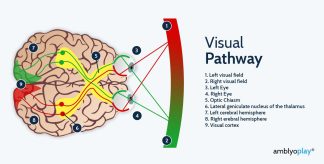
Diplopia, commonly known as double vision, refers to a condition in which a person sees two images of a single object. It can occur in various populations and can have different causes. The prevalence of diplopia depends on the underlying factors contributing to the condition.
Table of contents

How Common is Diplopia?
Temporary or occasional episodes of double vision are relatively common and can happen to most individuals at some point in their lives. These instances can be due to fatigue, eye strain, alcohol intoxication, or certain medications. However, if double vision persists or occurs frequently, it is important to seek medical attention.
Strabismus, a misalignment of the eyes, is a common cause of persistent diplopia. Strabismus can be present from birth (congenital) or develop later in life (acquired). The prevalence of strabismus-related diplopia varies depending on the population studied. Estimation is it affects around 2-4% of children.
Diplopia can also be associated with various neurological conditions, such as multiple sclerosis, stroke, head injury, or tumors affecting the nerves or brain structures involved in vision. The prevalence of diplopia in these cases depends on the specific condition and its severity. Read about what neurological conditions cause double vision.
As individuals age, there can be changes in the muscles and nerves controlling eye movements, leading to age-related diplopia. This can occur due to conditions like age-related macular degeneration (AMD), cataracts, or other age-related eye disorders.
The prevalence of diplopia increases with age, particularly among older adults.
Symptoms and Causes of Diplopia
Diplopia can occur in various forms and is categorized into several types based on different factors. Here are some of the different types of diplopia:
1. Monocular Diplopia:
This type of diplopia occurs when the double vision is present in one eye only. Double vision in one eye typically suggests a problem within the eye itself rather than an issue with the alignment of the eyes. Causes may include astigmatism, cataracts, corneal irregularities, or abnormalities in the lens.
2. Binocular Diplopia:
Binocular diplopia refers to double vision that occurs when both eyes are open. Double vision in both eyes is usually due to misalignment or coordination problems between the two eyes, resulting in the images from each eye not merging properly in the brain. Binocular diplopia can be caused by various conditions such as cranial nerve palsies, muscle weaknesses, strabismus (misalignment of the eyes), or nerve disorders.
3. Horizontal Diplopia:
Horizontal diplopia is characterized by double vision horizontally, where the two images appear side by side. It is often associated with muscle imbalances or weaknesses in the muscles responsible for horizontal eye movement, such as the lateral rectus and medial rectus muscles.
4. Vertical Diplopia:
Vertical diplopia involves double vision vertically, with the two images appearing one above the other. It is commonly associated with imbalances or weaknesses in the muscles responsible for vertical eye movement, such as the superior rectus and inferior rectus muscles. Conditions like thyroid eye disease or trauma to the eye muscles can lead to vertical diplopia.
5. Intermittent Diplopia:
Vertical diplopia involves double vision vertically, with the two images appearing one above the other. It is commonly associated with imbalances or weaknesses in the muscles responsible for vertical eye movement, such as the superior rectus and inferior rectus muscles. Conditions like thyroid eye disease or trauma to the eye muscles can lead to vertical diplopia.
6. Comitant Diplopia:
Comitant diplopia refers to double vision in which the separation between the two images remains constant, regardless of the direction of gaze. It suggests that the misalignment of the eyes is equal in all directions of gaze and typically points to a problem with the eye muscles or their control.
7. Incomitant Diplopia:
Incomitant diplopia occurs when the separation between the two images changes depending on the direction of gaze. The degree of misalignment varies, indicating an underlying condition affecting the extraocular muscles or nerves. Incomitant diplopia can be caused by conditions such as oculomotor nerve palsy, cranial nerve palsies, or orbital disorders.

Monocular vs. Binocular Diplopia – Which One Do You Have?
Monocular Diplopia
Monocular diplopia occurs when double vision persists even when one eye is closed. This type of diplopia is generally related to problems within the eye itself. Key characteristics and causes of monocular diplopia include:
Characteristics: The double images seen in monocular diplopia are typically overlapping or adjacent. This condition remains present when viewing with only one eye.
Causes of Monocular Diplopia
Refractive Errors: Imperfections in the eye’s shape can cause light to be improperly focused, leading to double vision. Astigmatism, for example, is a common culprit.
Cataracts: Clouding of the eye’s lens can scatter light and create double images.
Lens Dislocation: If the eye’s lens shifts out of its normal position, it can cause vision distortion.
Corneal Issues: Conditions like keratoconus, where the cornea thins and bulges into a cone shape, can also result in monocular diplopia.
Binocular Diplopia
Binocular diplopia, on the other hand, only occurs when both eyes are open and typically resolves when one eye is closed. This form of double vision is usually due to issues with eye alignment and coordination. Key characteristics and causes of binocular diplopia include:
Characteristics: The double images seen in binocular diplopia are separate and can appear side by side, above and below each other, or diagonally displaced. This condition disappears when either eye is closed.
Causes of Binocular Diplopia
Strabismus: Also known as crossed eyes, this condition involves misalignment of the eyes, leading to two different images being sent to the brain.
Nerve Damage: Cranial nerves controlling the eye muscles can be damaged by conditions like diabetes, multiple sclerosis, or trauma, affecting eye movement and coordination.
Muscle Disorders: Conditions such as myasthenia gravis can weaken the eye muscles, causing misalignment and double vision.
Brain Conditions: Strokes, tumors, or other neurological disorders that impact the areas of the brain responsible for eye movement can lead to binocular diplopia.
| Type | Causes |
|---|---|
| Monocular diplopia | Refractive error, cataract, eye lens issues, corneal issues |
| Binocular diplopia | Nerve/muscle problems: strabismus, nerve damage, muscle disorders, brain conditions |
How Is Double Vision Diagnosed? 7 Key Tests You’ll Need!
Diagnosing diplopia typically involves a thorough examination by a healthcare professional, such as an ophthalmologist or optometrist. Here are some common steps involved in the diagnostic process:
1. Medical history:
The healthcare professional will begin by asking you questions about your symptoms, when they started, their duration, and any associated factors. They will also inquire about your general health, medications you are taking, and any history of trauma or underlying medical conditions.
2. Visual acuity test:
You will be asked to read from an eye chart to assess your visual acuity. This helps determine if the double vision affects both eyes or just one.
3. Cover test:
This is a common test for double vision that helps detect misalignment or coordination issues between the eyes. The eye care professional may perform a cover test to observe eye alignment and detect any misalignment. They will ask you to focus on a specific target while covering one eye at a time. This test can reveal whether the double vision is present in one eye or both.

4. Ocular motility examination:
This evaluation assesses the movements and alignment of your eyes. The healthcare professional may ask you to follow an object with your eyes to check for any limitations, weakness, or abnormal eye movements.
5. Pupil examination:
The healthcare professional will examine your pupils for abnormalities in size, shape, and response to light. Changes in pupil size or irregularities can provide insights into the cause of diplopia.
6. Refraction test:
This test helps determine if a refractive error, such as nearsightedness or farsightedness, is contributing to your double vision. The healthcare professional uses a phoropter or a series of lenses to determine the most appropriate prescription for your eyes.
7. Imaging tests:
In some cases, additional diagnostic tests may be required. These can include imaging studies like a computed tomography (CT) scan or magnetic resonance imaging (MRI) to evaluate the structures of the eyes, orbit (eye socket), and brain.
Once the healthcare professional has gathered all the necessary information, they can identify the underlying cause of your diplopia and provide appropriate treatment options.

How to Fix Double Vision – Best Treatments Explained!
The treatment of binocular double vision depends on the underlying cause. It is essential to consult with an ophthalmologist or an eye care professional for a thorough evaluation and appropriate management. Here are some common treatments for binocular double vision:
1. Corrective Lenses:
In some cases, wearing corrective lenses, such as glasses or contact lenses, can help correct refractive errors and improve binocular vision. This is especially effective if the double vision is caused by an uncorrected refractive error, such as astigmatism.
2. Prism Glasses: Prism glasses contain special lenses that can help align the images from both eyes, reducing or eliminating double vision. These glasses work by bending light and adjusting its direction, allowing the two images to merge properly. Prism glasses are often prescribed for conditions like eye muscle imbalances or certain nerve disorders.
3. Vision Therapy: Vision therapy involves a series of exercises and activities designed to improve eye coordination, strengthen eye muscles, and enhance binocular vision. It can be beneficial for conditions such as convergence insufficiency or eye muscle weaknesses. Vision therapy is typically supervised by an optometrist or vision therapist.
4. Patching:
Patching is sometimes used as a temporary treatment for binocular double vision. It involves covering one eye with an adhesive patch to eliminate the double vision and promote the use of the other eye. Patching can help in cases where the double vision is due to a muscle imbalance or to alleviate symptoms while other treatments are implemented.
5. Medications:
In certain cases, medications may be prescribed to manage underlying conditions contributing to binocular double vision. For example, if the double vision is caused by myasthenia gravis, medications to improve muscle strength and neuromuscular transmission, such as acetylcholinesterase inhibitors, may be prescribed.
6. Surgical Intervention:
In some instances, surgical procedures may be necessary to correct the misalignment of the eyes and alleviate binocular double vision. Surgical options depend on the specific diagnosis and may involve tightening or loosening the eye muscles or repositioning them to achieve proper alignment. Surgical intervention is typically considered when other treatments have not been effective or when there is a structural problem causing the double vision.
The appropriate treatment for binocular double vision depends on the underlying cause and individual factors. It is crucial to seek professional evaluation and guidance for accurate diagnosis and personalized treatment.

Who is Often Affected by Double Vision?
Diplopia can affect individuals of any age or gender. However, certain factors or conditions may increase the risk or prevalence of diplopia in certain populations. Here are some groups of people who may be more commonly affected by diplopia:
- Elderly Individuals:
Age-related changes in the eye muscles, nerves, and structures can contribute to diplopia in older adults. Conditions such as cataracts, age-related macular degeneration, and muscle weakness associated with aging can increase the likelihood of experiencing double vision. - Individuals with Eye Muscle Disorders:
People with eye muscle disorders, such as strabismus (misalignment of the eyes) or oculomotor nerve palsies, are more prone to diplopia. These conditions can disrupt the proper coordination and alignment of the eyes, leading to double vision. - Neurological Disorders:
Certain neurological conditions can affect the nerves and muscles involved in eye movement, leading to diplopia. Conditions such as multiple sclerosis, myasthenia gravis, brain tumors, stroke, and cranial nerve palsies can cause double vision as a symptom.

4. Traumatic Brain Injury:
Individuals who have suffered traumatic brain injury (TBI) may experience diplopia as a result of damage to the structures controlling eye movement or alignment. TBI-related diplopia can occur due to nerve injuries, muscle weakness, or disruption of the visual pathways.
5. Eye Surgery or Eye Trauma:
Diplopia can be a complication following eye surgeries, particularly those involving the muscles or structures responsible for eye movement. Additionally, trauma to the eye or surrounding structures can cause misalignment and double vision.
6. Systemic Conditions:
Certain systemic diseases, such as diabetes, thyroid disorders, autoimmune diseases, or vascular disorders, can affect the eyes, nerves, or muscles involved in vision, potentially leading to diplopia.
It’s important to note that diplopia can occur in individuals without any specific risk factors as well. If you experience double vision or any changes in your vision, it’s recommended to consult with a healthcare professional or an ophthalmologist for a proper evaluation and diagnosis.
AmblyoPlay Treats Double Vision!

Dan: 80-year-old user with moderate improvement
I have been very impressed with the design and implementation of AmblyoPlay. The navigation of the app is very intuitive. Even the music is appropriate, light-hearted, and pleasant.
While as an 80-year-old man, I am not an ideal candidate to benefit from AmblyoPlay, I have seen moderate improvement in my double vision that resulted from a surgical error during a cataract operation.
The response to questions and comments has been prompt and helpful. As a former software engineer, I really appreciate the professionalism of the organization that developed AmblyoPlay.

Rebecca: Definitely a worthwhile program
My son (9yrs) has Duane Syndrome and has struggled with tracking issues and double vision since birth. AmblyoPlay has been a wonderful tool for us.
We have been doing variations of vision therapy since he was 5 and have seen improvements, but this system allows my son more independence with great results. Also, he really enjoys it! Previous digital therapy programs we used were effective, but boring. This is fun! No more fights to get him to do it! Hurray!
And the fact that his therapist can monitor his progress and make adjustments as we go is amazing. The cost compared to regular office visits or some of the other technologies is very reasonable too. Definitely a worthwhile program.
Frequently Asked Questions
What is diplopia (double vision) and what causes it?
Diplopia (double vision) is a condition where a person sees two images of a single object. It occurs due to eye misalignment, nerve issues, or brain processing problems. It can be temporary or permanent and may affect one or both eyes.
How do I know I have diplopia?
You may suspect you have diplopia if you consistently see two images of a single object. The double vision can occur in one or both eyes, and it may be constant or intermittent. Consulting with an eye care professional is recommended for proper evaluation and diagnosis.
What causes double vision?
Diplopia, or double vision, can be caused by several factors such as misalignment of the eyes (strabismus), nerve damage, eye muscle weakness, certain medical conditions like stroke or multiple sclerosis, trauma to the head or eye, certain medications, or age-related changes in the eyes.
Is there treatment for diplopia?
Treatment for diplopia depends on the cause and may include:
– Prescription Glasses – Addressing refractive errors
– Prism Glasses – Help improve alignment
– Eye Exercises – Strengthen eye muscles and binocular vision
– Medication – Treats underlying conditions
– Surgery – Corrects severe cases
Can diplopia be treated with vision therapy?
Yes, vision therapy can be an effective treatment option for diplopia caused by certain eye muscle or coordination problems. It involves a series of customized exercises and activities to improve eye alignment, strengthen eye muscles, and enhance visual processing.
What are common tests for double vision?
Tests for double vision typically include the cover test, visual acuity test, and ocular motility exam. These help identify eye alignment, coordination, and other factors contributing to diplopia.
What is AmblyoPlay?
AmblyoPlay is an interactive vision therapy program using therapeutic games to improve eye coordination and treat conditions like lazy eye, strabismus, and double vision. It adapts to each user’s needs and only requires 30 minutes per day. Try AmblyoPlay today!