The role of optometrists is central to maintaining eye health and preserving clear vision throughout life. These professionals are often the first point of contact when visual problems arise, but their responsibilities extend far beyond prescribing glasses.
Understanding the role of optometrists helps patients recognize the importance of regular eye examinations and proactive care. Early detection and timely management can prevent long-term complications and improve overall quality of life.
Table of contents
- Field of Work: Beyond Glasses
- Specialized areas of optometry
- Why Optometrists Are Important
- Where Optometrists Work
- Expertise and Clinical Skills
- What Happens During an Eye Exam
- Technology and Equipment in Optometry
- When Should You Visit an Optometrist?
- Conclusion
- Frequently Asked Questions: The Role of Optometrists
Field of Work: Beyond Glasses
Optometrists provide a wide range of essential services that go far beyond basic vision correction:
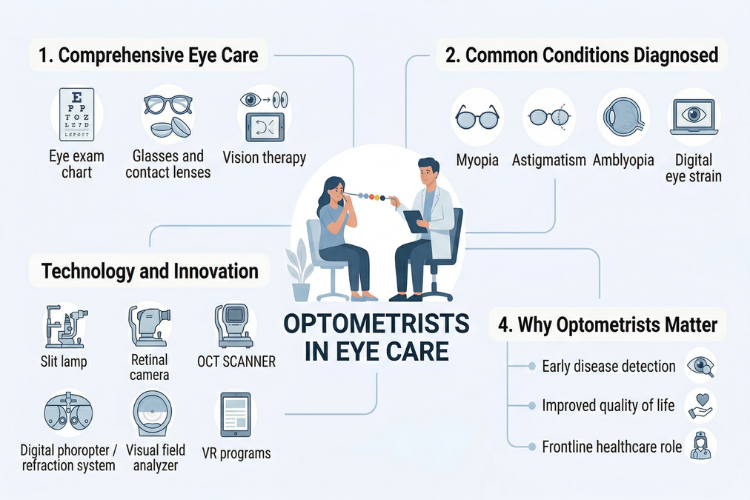
- Comprehensive eye exams – assess visual acuity, refraction, and overall eye health
- Vision correction – prescribe glasses and contact lenses tailored to patient needs
- Disease detection – identify early signs of conditions such as glaucoma and macular degeneration
- Common diagnoses – myopia, hyperopia, astigmatism, presbyopia, amblyopia (lazy eye), strabismus (eye turn), convergence insufficiency, accommodative dysfunction, and digital eye strain
- Binocular vision assessment – evaluate how the eyes work together, including focusing and coordination
- Symptom-based care – address headaches, reading difficulties, poor concentration, and screen-related visual fatigue

Specialized areas of optometry
The scope of optometry is broad and includes several specialized fields. Pediatric optometry focuses on children’s visual development and early detection of issues.
Geriatric optometry addresses age-related conditions such as cataracts and reduced contrast sensitivity. These changes can significantly affect independence and daily functioning.
Some optometrists specialize in contact lenses, including advanced fittings for irregular corneas and specialized needs. Others focus on binocular vision and vision therapy, supporting eye coordination and visual processing.
Additional areas include sports vision, where performance and reaction times are optimized, and occupational vision, which ensures visual efficiency in workplace environments. Optometrists may also work in low vision rehabilitation, helping patients with permanent vision loss maximize their remaining sight and maintain independence.
Why Optometrists Are Important
Optometrists play a critical role in preventing blindness and enhancing quality of life:
- Early disease detection – many eye diseases, such as glaucoma, are asymptomatic in early stages; timely exams prevent permanent vision loss
- Frontline healthcare providers – they manage primary eye care and reduce pressure on GP clinics and ophthalmologists
- Comprehensive vision solutions – provide tailored corrections, including specialty contact lenses for conditions like keratoconus
- Daily performance and safety – clear vision supports learning, productivity, and overall well-being
- Systemic health insights – eye exams can reveal early signs of conditions such as diabetes or hypertension
Where Optometrists Work
Optometrists work in a variety of professional settings. Many are based in private practices or optical clinics, where they provide primary eye care services.
Others work in hospitals or multidisciplinary clinics alongside other healthcare professionals. This allows for collaborative management of more complex conditions.
Some optometrists pursue careers in research, education, or the optical industry. They contribute to the development of new technologies, lenses, and treatment approaches.
Expertise and Clinical Skills
Optometrists develop strong clinical expertise through years of education and hands-on training. They are skilled in interpreting diagnostic data and recognizing subtle changes in eye health.
Their clinical toolkit includes techniques for assessing both the front and back of the eye. This allows them to detect early signs of disease before symptoms become noticeable.
They also play a role in identifying systemic conditions. Changes in the eye can indicate underlying health issues such as diabetes or hypertension.
What Happens During an Eye Exam
A visit to an optometrist typically begins with a discussion of symptoms and medical history. This helps guide the examination and ensures a personalized approach.
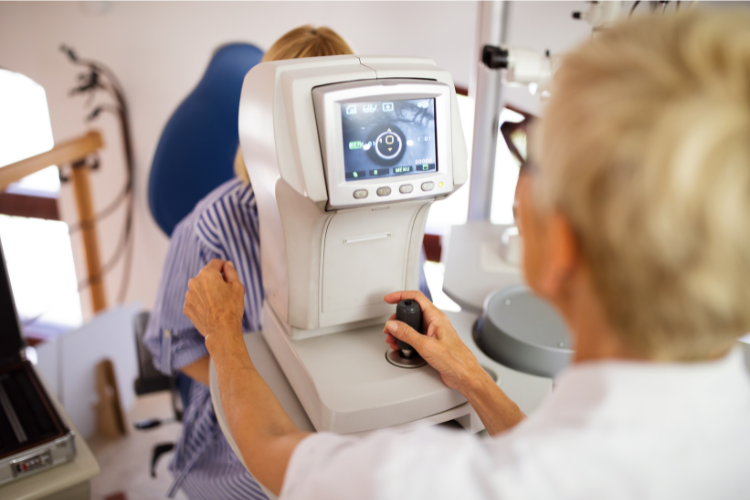
The assessment includes tests for visual acuity, eye coordination, and focusing ability. These measurements provide insight into how well the visual system is functioning.
The optometrist will also examine the health of the eye using specialized instruments. Based on the findings, they may prescribe corrective lenses or recommend further treatment.
Technology and Equipment in Optometry
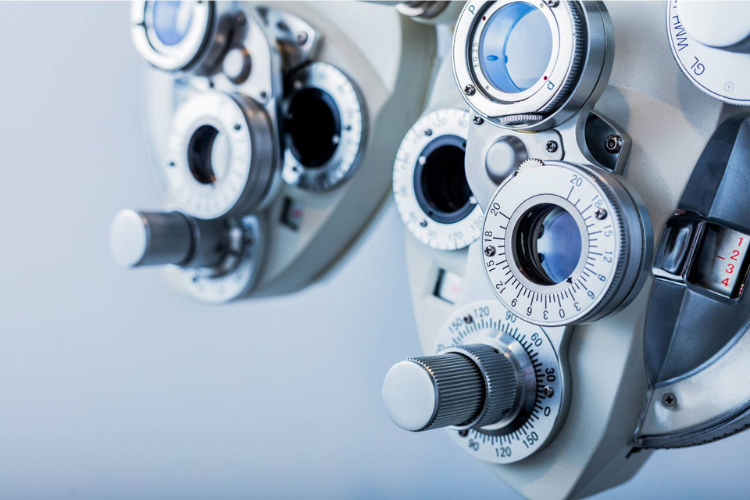
Modern optometry relies heavily on advanced diagnostic and therapeutic technology. Equipment such as slit lamps, retinal cameras, and optical coherence tomography (OCT) devices allow optometrists to examine eye structures in great detail.
Digital refraction systems improve the accuracy of prescriptions, while visual field analyzers help detect conditions like glaucoma. These tools enable earlier diagnosis and more precise monitoring of disease progression.
In addition to clinical devices, digital solutions are transforming patient care.
Digital tools in vision therapy
Vision therapy solutions such as AmblyoPlay and the Smart Optometry App for testing are used to support and advance clinical practice, making care more interactive while aiding vision therapy and rehabilitation, particularly in conditions like amblyopia and binocular vision disorders.
This technological sphere is constantly evolving, with new tools and software enhancing both diagnostics and treatment outcomes. Optometrists must stay up to date with innovations to provide the highest standard of care.
Emerging technologies such as AI-assisted diagnostics, tele-optometry platforms, and wearable vision devices are further expanding what is possible in eye care. These innovations improve accessibility, allow remote monitoring, and provide more personalized treatment approaches for patients.
When Should You Visit an Optometrist?
Routine eye exams are important even in the absence of symptoms. Adults should generally schedule a check-up every one to two years.
Children may require more frequent monitoring due to ongoing visual development. Early detection of issues can prevent long-term complications.
You should also seek care if you experience blurred vision, headaches, or eye strain. Addressing these symptoms early can significantly improve comfort and performance.
Conclusion
The role of optometrists extends far beyond vision correction. Their expertise, combined with advanced technology, ensures comprehensive care for patients of all ages.
If you have not had an eye exam recently, now is the time to act. Book an appointment with an optometrist and take a proactive step toward protecting your vision.
Frequently Asked Questions: The Role of Optometrists
What does an optometrist do during an eye exam?
An optometrist performs a comprehensive eye exam to assess vision clarity, eye coordination, and overall eye health. This includes checking for refractive errors, evaluating how the eyes work together, and screening for early signs of eye diseases such as glaucoma or macular degeneration.
How often should you visit an optometrist?
Most adults should have an eye exam every one to two years, even without symptoms. Children and individuals with existing vision problems may need more frequent check-ups to ensure proper visual development and early detection of issues.
Can optometrists detect serious health conditions?
Yes, optometrists can identify early signs of eye diseases and even systemic conditions such as diabetes and hypertension during a routine eye exam. Early detection plays a key role in preventing long-term complications.
What is vision therapy and who can benefit from it?
Vision therapy is a personalized treatment program designed to improve visual skills such as eye coordination, focusing, and tracking. It is especially beneficial for conditions like amblyopia (lazy eye), strabismus, and binocular vision disorders, and can be supported by digital tools like AmblyoPlay.
When should you see an optometrist immediately?
You should schedule an eye exam if you experience symptoms such as blurred vision, frequent headaches, eye strain, double vision, or difficulty reading and concentrating. Early evaluation can prevent worsening of underlying conditions.