Screen Time and Children’s Vision is one of the most important topics parents ask about today. Screens are part of school, family life, and even some therapy programs, so the real question is not whether children will use them, but how to use them safely. The goal is to reduce unnecessary strain, protect visual development, and make sure digital use does not replace sleep, play, or time outdoors.
Table of contents
What too much screen time can do
Excessive screen use does not automatically damage the eyes, but it creates habits that strain the visual system. The two main concerns are digital eye strain and increased myopia risk.
Eye strain develops because screens require constant near focus. Children blink less, their eyes stay fixed at one distance, and posture often worsens during use. This leads to tired eyes, dryness, headaches, blurred vision, and difficulty shifting focus to distance. These symptoms are common and often underestimated.
Myopia (also called nearsightedness) means a child sees clearly up close but blurry in the distance. It is influenced by lifestyle factors, especially too much near work and too little outdoor exposure.
Equally important, excessive screen use reduces time for movement, sleep, and real-world interaction, all of which are essential for healthy visual development.

Signs of screen-related vision problems
Parents should watch for eye rubbing, squinting, headaches, or sitting very close to screens. These are early signs of visual fatigue. Children may also complain about blurred vision or lose concentration during reading or homework tasks.
Behavioural signs are just as important. A child may become irritable, avoid near tasks, or struggle to switch focus from near to far. If symptoms persist, it is important to schedule an eye examination. Screen use may reveal an underlying issue rather than cause it.
Healthy screen time guidelines
Screen time limits should be age-appropriate and structured. All with regular breaks, no screens before sleep, and active parental supervision.
- Under 2 years: avoid screen use
- Ages 2-5: up to 1 hour daily
- Ages 6–9: up to ~1 hour daily
- Ages 10–12: up to ~1.5 hours daily
- Ages 13–18: up to ~2 hours daily
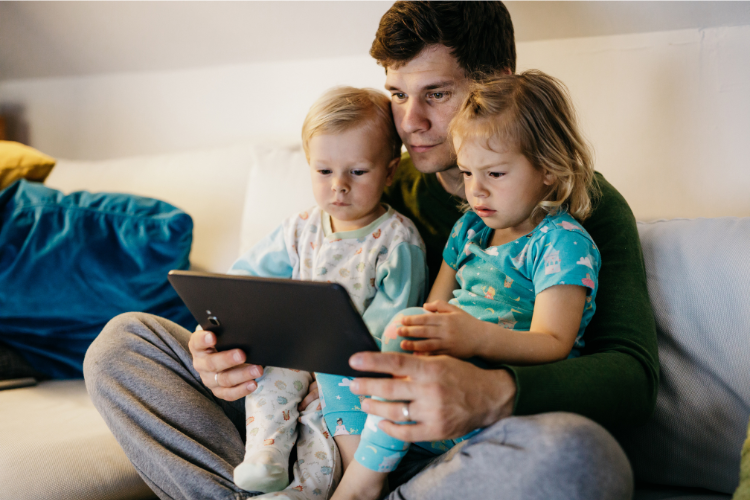
Screens should not interfere with sleep, meals, or family interaction. They should also be avoided before bedtime. Younger children benefit most from co-viewing, where parents guide and interact during screen use.
These limits increase with age because children gradually develop better self-regulation, visual endurance, and academic needs, but still require structure to prevent overuse.

Why outdoor time matters
Outdoor time is one of the strongest protective factors for children’s vision. Experts recommend at least 2 hours outdoors daily. Natural light and distance viewing support healthy eye development.
Outdoor play reduces the risk of myopia and helps balance prolonged near work. A simple rule to follow is the 20-20-2 approach: after 20 minutes of near work, look far away for 20 seconds, and aim for 2 hours outside each day.
Not all screen time is the same
Not all digital use has the same impact. Passive consumption is very different from active engagement. Fast-paced videos and endless scrolling overstimulate the brain and strain the eyes.
In contrast, interactive and educational content, especially when shared with a parent, can be more beneficial. The key is to keep screen time intentional, limited, and engaging, rather than automatic or excessive.
When screen time is used for therapy
Many parents worry about using screens for vision therapy. This is a valid concern, but context matters.
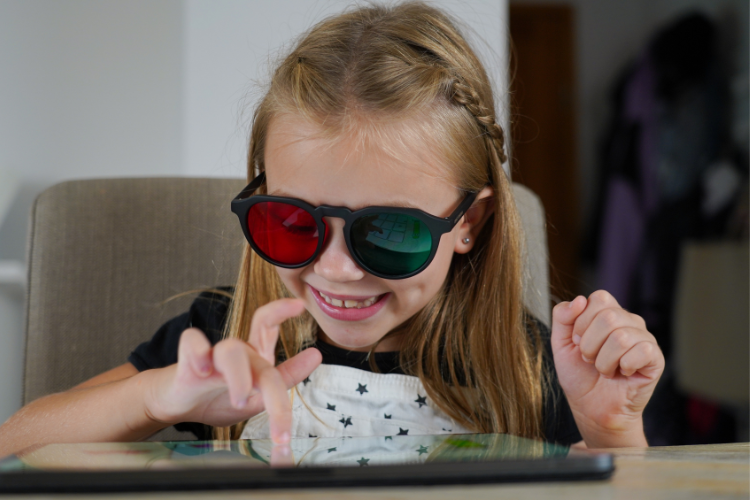
Therapeutic screen use is structured and goal-oriented, unlike passive entertainment. When used correctly, it involves short sessions, guided tasks, and built-in breaks, reducing the risk of strain.
If therapy stays within recommended limits and is balanced with outdoor activity, the benefits can outweigh the risks.
How screens can sometimes help vision
Some digital tools are specifically designed to train visual skills such as focus, tracking, and coordination. AmblyoPlay is one example of a structured vision therapy program that uses gamified exercises to support visual development.
Training typically lasts around 30 minutes per day, divided into shorter sessions with a mandatory break. This structure is important because it prevents overuse while still providing consistent visual stimulation.
Understanding Screen Time and Children’s Vision means recognizing that not all screen exposure is harmful – purpose and structure matter.
Key rules for therapeutic screen use
When screens are used for therapy, follow these essential rules:
- Follow the prescribed duration
- Respect every break (never replace breaks with another screen activity)
- Monitor for symptoms like headaches or fatigue
- Avoid stacking therapy with excessive leisure screen time
- Prioritize daily outdoor activity
Breaks should include movement, distance viewing, or rest, not another digital task. If your child uses a program like AmblyoPlay, treat it as a targeted exercise session, not entertainment.
Consistency, balance, and proper breaks are what make therapeutic screen use effective and safe.
Final thoughts and next steps
Screen Time and Children’s Vision is not about eliminating screens, but about using them wisely.
When screen use is balanced with outdoor time, guided by parents, and structured appropriately, it can fit safely into a child’s routine. If you notice signs of eye strain or visual difficulties, do not wait. Early assessment can prevent long-term issues.
If your child is already experiencing visual challenges, consider structured vision training programs like AmblyoPlay as part of a guided approach.
And most importantly, make outdoor play, movement, and visual breaks a daily priority!
How much screen time is safe for children’s eyes?
The recommended screen time depends on age. For children under 2, screen time should be minimal. Ages 2–5 should have no more than 1 hour per day, while older children should balance screen use with outdoor activities and breaks.
Can too much screen time damage a child’s vision?
Excessive screen time does not typically cause permanent eye damage, but it can lead to digital eye strain, dry eyes, headaches, and blurred vision. Long-term habits may also contribute to an increased risk of myopia (nearsightedness) in children.
What are the signs of screen-related eye problems in kids?
Common signs include eye rubbing, frequent blinking, headaches, difficulty focusing, watery or dry eyes, and complaints of tired eyes. Children may also sit very close to screens or lose interest in visual tasks like reading.
How can parents protect their child’s eyes from screens?
Parents can protect their child’s vision by encouraging regular breaks, limiting daily screen time, ensuring proper lighting, maintaining a safe viewing distance, and promoting outdoor play. Adjusting screen brightness and using larger screens instead of small devices can also help.
When should a child see an eye specialist due to screen use?
A child should see an eye specialist if they frequently complain of eye discomfort, headaches, blurred vision, or show signs of vision problems. Regular eye exams are also important, even without symptoms, to detect issues early.