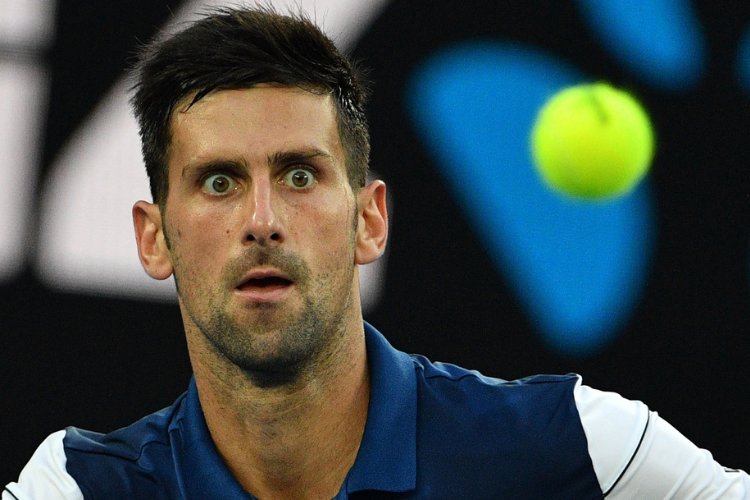
When we think about athletic performance, we usually picture speed, strength, stamina, and technique. But as major sporting events dominate screens around the world, another skill is quietly shaping many of the moments we remember most – vision.
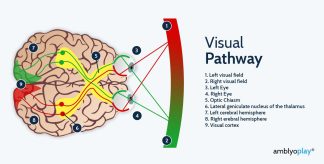
Vision therapy in sports focuses on the visual skills athletes use to track movement, judge distance, react quickly, stay focused, and make decisions under pressure. These skills often work in the background, but they can influence everything from timing and coordination to confidence and consistency.
This is what makes sports vision so fascinating. Athletic success is not only about how fast the body can move, but also about how quickly the brain can understand what the eyes are seeing. In competitive sport, a fraction of a second can change the outcome, and very often, that fraction of a second begins with visual information.
Table of contents
- What Is Vision Therapy in Sports?
- Why Visual Skills Matter for Athletes
- Key Visual Skills Athletes Use in Competition
- Football Vision Training: The World Cup Through an Athlete’s Eyes
- Combat Sports Vision Training: Seeing Before Reacting
- Is Sports Vision Therapy Only for Professionals?
- How AmblyoPlay Connects to Visual Skill Training
- Final Thoughts: Train Your Eyes Like You Train Your Body
- Frequently Asked Questions: Vision Therapy in Sports
What Is Vision Therapy in Sports?
Vision therapy in sports is the use of structured visual exercises and training activities to improve the way the eyes, brain, and body work together during athletic performance.
It is important to understand that this is not only about seeing clearly on an eye chart. Many athletes may have 20/20 eyesight, but still benefit from improving how quickly they process movement, shift focus, judge depth, or coordinate visual information with physical action.
Sports vision training often focuses on skills such as:
- Visual tracking
- Eye-hand or eye-foot coordination
- Depth perception
- Peripheral vision
- Dynamic visual acuity
- Visual reaction time
- Focus flexibility
- Binocular vision
- Visual concentration
A 2024 systematic review on sport vision described key visual skills in sports as including eye-limb coordination, static and dynamic acuity, peripheral vision, spatial focus, and speed of recognition. In other words, athletic vision is not passive. It is active, fast, and deeply connected to movement.
Why Visual Skills Matter for Athletes
In fast sports, the eyes often lead the body.
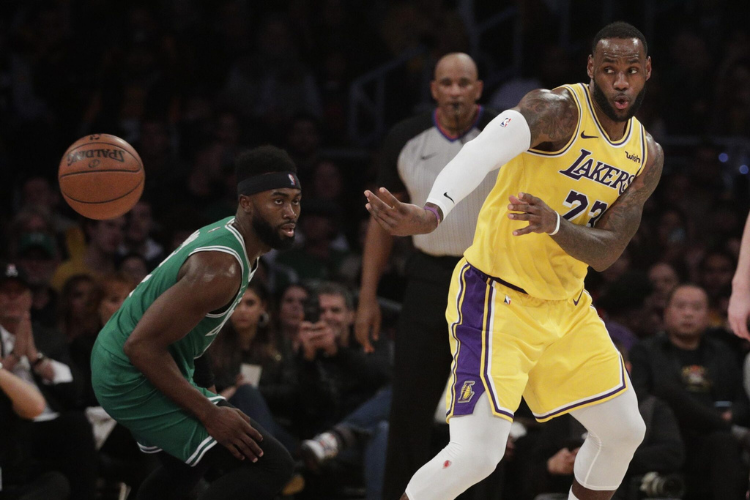
A goalkeeper reacts to the position of a striker’s hips before the ball is even struck. A fighter reads shoulder movement before a punch arrives. A tennis player tracks a serve while preparing the body for a return. A basketball player sees a defender in peripheral vision before making a pass.
These moments happen in fractions of a second. The athlete does not have time to stop, think, and calculate. The visual system must gather information quickly, the brain must interpret it, and the body must respond.
This is why sports vision training has become more interesting to athletes, coaches, and performance specialists. It targets the connection between seeing, processing, and moving.
Key Visual Skills Athletes Use in Competition
To understand that connection better, it helps to look at the individual visual abilities that support athletic performance. These skills do not work separately. In real competition, they combine quickly and often automatically, helping athletes stay aware, adjust their body position, and respond to what is happening around them.
Dynamic visual acuity
Dynamic visual acuity is the ability to see clearly while objects are moving. In sport, this matters because athletes rarely perform in a still environment. The ball, opponents, teammates, equipment, and even the athlete’s own body may all be moving at the same time.
When dynamic visual acuity is strong, an athlete can keep visual information clearer during speed and motion. This can support better timing, more accurate movement, and greater control in fast situations.
Depth perception and binocular vision
Depth perception allows athletes to understand distance and space. It helps them judge how far away something is, how quickly it is approaching, and how much time they have to react.
Binocular vision plays an important role here. When both eyes work together efficiently, the brain receives a more complete picture of space. This can make it easier to judge position, movement, and timing during competition.
Peripheral vision
Peripheral vision helps athletes stay aware of what is happening outside their direct line of sight. Instead of focusing only on one object or one point, the athlete can sense movement and changes in the wider environment.
This skill is especially useful in sports where decisions depend on more than one visual cue. Strong peripheral awareness can help athletes feel more oriented, avoid tunnel vision, and respond to changes around them more quickly.
Visual tracking
Visual tracking is the ability to follow movement smoothly and accurately with the eyes. It helps athletes stay connected to the action as speed, direction, and distance change.
When tracking is efficient, the eyes can follow movement without unnecessary strain or delay. This gives the brain more reliable information, which can support better coordination and more precise reactions.

Eye-hand and eye-foot coordination
Eye-hand and eye-foot coordination describe the link between visual information and physical response. The eyes detect what is happening, the brain interprets it, and the body turns that information into movement.
This connection is involved in many athletic actions, from catching and throwing to kicking, striking, blocking, and changing direction. In simple terms, accurate movement often starts with accurate visual input.
Reaction time
Reaction time is the ability to respond quickly after seeing and understanding a visual cue. In sport, the difference between reacting early and reacting late can be extremely small, but the impact can be significant.
Good reaction time is not only about moving fast. It also depends on recognizing the right cue, filtering out distractions, and choosing the correct response at the right moment.
Focus flexibility
Focus flexibility is the ability to shift visual attention between different distances, objects, or areas of action. Many sports require athletes to change focus repeatedly, sometimes from near to far and back again within seconds.
This flexibility helps athletes stay visually organized. Instead of becoming fixed on one point, they can adjust their attention as the situation changes.
Visual concentration
Visual concentration is the ability to stay focused on relevant information despite pressure, fatigue, noise, or distractions. It helps athletes remain connected to the task even when the environment becomes demanding.
This skill is often what keeps performance consistent. When visual concentration drops, timing, awareness, and decision-making can suffer. When it is strong, athletes are better able to stay calm, focused, and ready for the next movement.
Football Vision Training: The World Cup Through an Athlete’s Eyes
After looking at the key visual skills athletes use, football is a perfect place to see them in action. During the World Cup, almost every decisive moment begins before the ball is touched. It begins with scanning, tracking, judging space, and reading movement.
For outfield players, football vision training connects closely to decision-making. A player who scans before receiving the ball can understand where pressure is coming from, where space is opening, and what the next pass might be. Peripheral vision, focus flexibility, and visual tracking all help the player stay connected to the game as it changes around them.
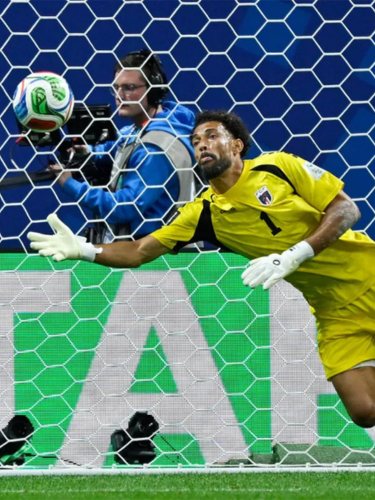
For goalkeepers, the visual demands are even more intense. A goalkeeper may wait for long periods, then suddenly need to react in less than a second. They must judge distance, track the ball, read body cues, and stay alert for deflections or changes in direction.
That is why goalkeeper vision training often focuses on reaction time, depth perception, visual tracking, and concentration. A great save is rarely just physical. It is often the result of seeing the right cue early enough for the body to respond.
The World Cup makes this connection easy to notice. A perfectly timed pass, a calm finish, or a last-second save all show how closely vision, decision-making, and movement work together.
Combat Sports Vision Training: Seeing Before Reacting
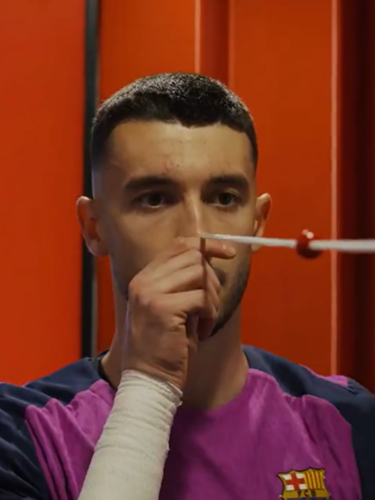
Combat sports show the same idea in a different, even more compressed environment. After the recent UFC White House card, it is easy to see why elite fighters pay attention not only to strength and conditioning, but also to perception, timing, and reaction speed.
In the cage/ring, a fighter has to read small visual cues: a shift in stance, a shoulder movement, a change in rhythm, or the position of an opponent’s feet. These details can help them anticipate what may happen next and respond before the opportunity disappears.
Ilia Topuria is a strong example of this modern, scientific approach to training. Public training content around Topuria has shown detailed vision-focused exercises, including drills described as working on focus, accommodation, binocular vision, and cognitive processing.
What makes this interesting is that these exercises do not treat vision as something separate from performance. They combine the eyes, attention, reaction speed, and decision-making – exactly the kind of connection athletes need in fast, high-pressure situations.
Of course, no single eye exercise wins a fight. Technical skill, coaching, conditioning, and experience all matter. But combat sports make one thing very clear: vision is not passive. It is part of how an athlete reads, reacts, and performs.


Is Sports Vision Therapy Only for Professionals?
Elite athletes may bring the topic into the spotlight, but sports vision therapy is not only for professionals. The same visual skills used at the highest level also matter in everyday sport, recreation, school activities, and play.
A child learning to catch a ball, a teenager playing football, a recreational tennis player, or an adult returning to physical activity all rely on similar abilities: tracking movement, judging distance, shifting focus, staying aware of space, and coordinating what they see with how they move.
Sports vision therapy may be especially interesting for people who notice difficulties such as:
- Losing the ball easily during play
- Struggling with timing, catching, or hitting
- Having difficulty judging distance
- Feeling visually tired during sports
- Avoiding fast ball games
- Having known binocular vision difficulties
- Living with convergence insufficiency, lazy eye, or mild strabismus
These signs do not always mean there is a serious problem. However, they may be worth discussing with an eye care professional, especially if similar symptoms also appear during reading, schoolwork, screen use, or daily activities.
The lesson from elite sport is not that everyone needs to train like a professional athlete. It is that vision plays a bigger role in movement and confidence than many people realize.
How AmblyoPlay Connects to Visual Skill Training
The examples from sport show how closely vision is connected to movement, focus, and confidence. For many people, these same visual abilities matter far beyond competition.
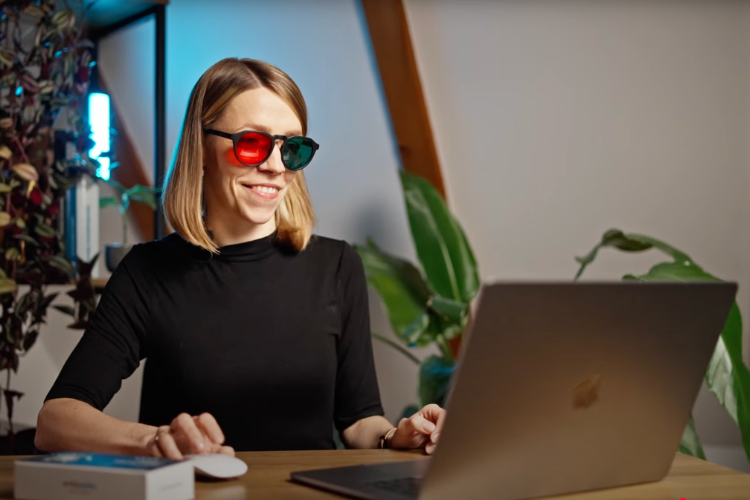
AmblyoPlay is designed to make vision therapy more engaging through interactive exercises that support skills such as eye teaming, focusing, tracking, and visual attention. It is used by individuals with lazy eye, mild strabismus, convergence insufficiency, and other binocular vision difficulties.
While AmblyoPlay is not a professional sports performance tool, it is built around an important idea: visual skills can be trained in a structured, motivating way.
If you or your child struggles with visual comfort, coordination, or binocular vision, AmblyoPlay can be a helpful starting point. Always consult an eye care professional to determine the right approach for your vision needs.
Final Thoughts: Train Your Eyes Like You Train Your Body
Sport reminds us that vision is much more than clear eyesight. It is part of how we understand space, react to movement, stay focused, and coordinate the body with confidence.
That is why vision therapy in sports is such an interesting topic. It shows us that the eyes are not just watching performance happen, they are actively involved in it.
Whether you are currently following the World Cup, watching elite fighters, coaching young athletes, or exploring vision therapy for everyday needs, the message stays the same – visual skills matter.
And just like strength, balance, or coordination, they deserve attention, support, and the right kind of training.
Frequently Asked Questions: Vision Therapy in Sports
What is vision therapy in sports?
Vision therapy in sports focuses on training the visual skills athletes use during movement, reaction, and decision-making. This can include skills such as visual tracking, depth perception, peripheral vision, eye-hand coordination, focus flexibility, and reaction time.
Why is vision important for athletes’ performance?
Vision helps athletes understand space, follow movement, judge distance, and respond quickly. In many sports, the eyes collect information first, the brain processes it, and the body reacts. This connection can influence timing, coordination, confidence, and overall performance.
Is sports vision therapy only for professional athletes?
No. Professional athletes may use advanced sports vision training, but visual skills are important at every level. Children, recreational athletes, students, and adults can all rely on tracking, focusing, depth perception, and coordination during sport, play, and daily activities.
Can vision problems affect sports performance?
Yes, certain visual difficulties may affect how comfortably or confidently someone plays sports. For example, problems with eye teaming, focusing, depth perception, or visual tracking may make it harder to follow a ball, judge distance, react quickly, or stay visually focused during movement.
Can AmblyoPlay help with sports vision training?
AmblyoPlay is not a professional sports performance tool, but it is designed to support important visual skills through engaging vision therapy exercises. It may be useful for individuals with lazy eye, mild strabismus, convergence insufficiency, or other binocular vision difficulties. Always consult an eye care professional to determine the right approach for your vision needs.