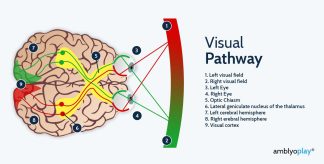
Did you know that what you eat can also influence the success of your vision therapy? Nutrition plays a surprisingly important role in supporting your eyes’ health, and incorporating the right foods into your diet can improve your vision therapy outcomes. In this blog post, we’ll talk about nutrition for eye health and how nutrition and vision therapy go hand in hand.
Table of contents
Why Nutrition Matters for Eye Health
Our eyes are complex organs that require a wide range of nutrients to function at their best. Vitamins, minerals, and antioxidants help protect the eyes from damage, reduce inflammation, and support proper nerve function—all of which are essential when you’re undergoing vision therapy.
For children and adults alike, a balanced diet ensures that the visual system has the fuel it needs to adapt, strengthen, and respond well to therapy exercises.
Alterations in the gut microbiome due to poor nutrition may impact the ocular surface, suggesting a complex interplay between diet, systemic health, and eye health (Markoulli et al., 2023).
Key Nutrients That Support Vision Therapy
Here are some of the most important nutrients for eye health and where you can find them:
Vitamin A
Benefits: Supports the retina and prevents night blindness.
Sources: Carrots, sweet potatoes, spinach, and kale.
According to Markoulli et al. (2023), deficiencies in vitamins A, B12, C, and D are linked to ocular surface diseases. For instance, vitamin A deficiency is a leading cause of childhood blindness globally.
Omega-3 Fatty Acids
Benefits: Reduces dry eye symptoms and supports proper visual development.
Sources: Salmon, flaxseeds, walnuts, and chia seeds.
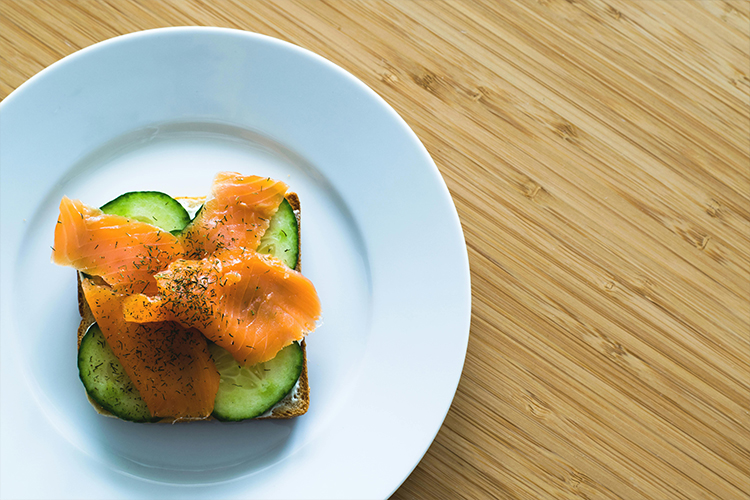
Diets rich in omega-3 fatty acids and antioxidants may benefit ocular surface health, while high sugar intake and artificial sweeteners could have adverse effects (Markoulli et al., 2023).
Lutein and Zeaxanthin
Benefits: Protect against oxidative stress and blue light damage.
Sources: Leafy greens like kale, spinach, and collard greens; also found in eggs.
Vitamin C
Benefits: Antioxidant that helps maintain blood vessels in the eyes.
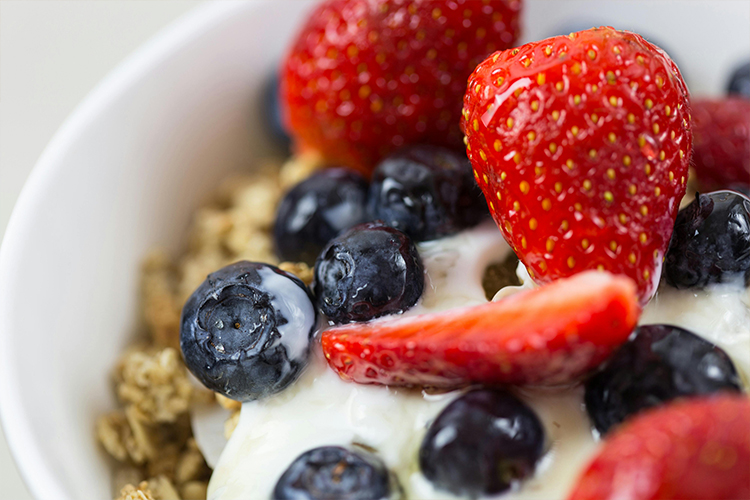
Sources: Oranges, strawberries, bell peppers, and broccoli.
Zinc
Benefits: Plays a role in night vision and delivering Vitamin A from the liver to the retina.
Sources: Pumpkin seeds, beef, lentils, and chickpeas.
Nutrition for Eye Health and Neuroplasticity: A Powerful Duo
Vision therapy relies heavily on neuroplasticity (brain plasticity)—your brain’s ability to rewire and adapt. Nutrients like omega-3s and antioxidants support brain health, which means better communication between the eyes and brain during therapy. A well-nourished brain is more responsive, which can potentially speed up progress and make exercises more effective.
Healthy Eating Tips During Vision Therapy
- Stay hydrated: Proper hydration supports all bodily functions, including visual processing.
- Reduce processed foods: These can promote inflammation, which may interfere with healing and neural adaptation.
- Involve the whole family: For children in therapy, creating a fun, healthy eating environment can make them more likely to stick with both the food and the exercises.

Conclusion: Nutrition in Eye Health
While nutrition isn’t a substitute for vision therapy, it can be a powerful ally. By fueling your body with the right nutrients, you’re giving your eyes—and your brain—the support they need to adapt and heal.
If you’re currently undergoing vision therapy, talk to your eye care provider or a nutritionist about incorporating nutrition for eye health into your treatment plan. Small changes in your diet today could mean stronger vision tomorrow.
Can nutrition for eye health actually improve vision therapy outcomes?
Yes, nutritionplays a key role in supporting how well your brain and eyes respond to vision therapy. Eating the right foods can help reduce inflammation, support nerve function, and improve the brain’s ability to adapt during therapy.
What are the best foods for improving nutrition for eye health?
To support nutrition for eye health, focus on whole foods like leafy greens, citrus fruits, oily fish, seeds, and colorful vegetables. These provide antioxidants, vitamins, and healthy fats that nourish your eyes and promote healing during vision therapy.
How does hydration relate to nutrition for eye health?
Hydration is an essential part of nutrition for eye health. Water supports tear production, reduces eye dryness, and helps your body absorb key nutrients—all of which can improve the effectiveness of your vision therapy.