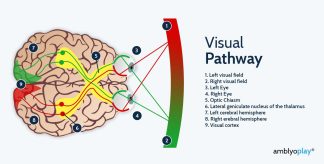
Monocular double vision, or monocular diplopia, occurs when you see two images of one object in one eye. This article explores the causes, symptoms, and treatments for monocular double vision.
Table of contents
About Diplopia: Monocular vs Binocular
Double vision or diplopia is classified into two types: monocular and binocular. A simple test will help you determine which type of diplopia you have. Binocular diplopia, which involves both eyes and resolves when one eye is closed, monocular diplopia persists even when the unaffected eye is covered.
Binocular Vision Test
Cover one eye when you’re experiencing double vision. Binocular diplopia occurs when double vision fades while covering either eye. In monocular diplopia, double vision disappears when the affected or “bad” eye is covered, but reappears when the unaffected or “good” eye is covered.
What is Monocular Double Vision?
This type of diplopia happens when your brain receives two distinct images from one eye. This leads to blurred or ghosted images, causing confusion. It’s important to differentiate this from binocular double vision, where the issue involves both eyes and their alignment.
Monocular diplopia is more prevalent and typically less severe.
Causes
Refractive Errors: Imperfections in the eye’s shape can cause light to be improperly focused, leading to double vision. Astigmatism, for example, is a common culprit.
Cataracts: Clouding of the eye’s lens can scatter light and create double images.
Lens Displacement: If the eye’s lens shifts out of its normal position, it can cause vision distortion.
Corneal Issues: Conditions like keratoconus, where the cornea thins and bulges into a cone shape, can also result in monocular diplopia.
Pterygium: A benign growth on the conjunctiva encroaches on the cornea and causes irregular refraction, resulting in double vision.
Symptoms of Monocular Double Vision
The main symptom is seeing two images of a single object when one eye is open. Other symptoms may include:
- Blurred vision
- Shadows
- Eye strain or discomfort
- Headaches
Diagnosis
Diagnosing monocular double vision involves a comprehensive eye exam. Your eye doctor will take a detailed medical history and perform various tests, including:
- Visual acuity test to check clarity of vision.
- Refraction test to identify refractive errors.
- Slit-lamp examination to inspect the cornea, lens, and other eye structures.
- Topography to map the cornea’s surface.
- Imaging studies, if needed, to assess deeper eye structures.
Treatment Options
Treatment of monocular double vision depends on the underlying cause. Common options include:
- Corrective Lenses: Glasses or contact lenses correct refractive errors like astigmatism, providing clearer vision.
- Surgery: Procedures like cataract surgery or corneal transplants address structural issues causing double vision.
- Medications: Eye drops or ointments manage conditions like dry eye syndrome, reducing symptoms.
- Vision Therapy: Exercises and therapies can improve visual function and reduce double vision in some cases.
Possible Complications
If left untreated, monocular double vision can lead to several complications, including:
- Persistent Visual Disturbance: Ongoing double vision can interfere with daily tasks like reading, driving, and recognizing faces.
- Eye Strain and Discomfort: Prolonged effort to focus can cause eye fatigue and discomfort.
- Increased Risk of Accidents: Impaired vision increases the likelihood of falls, trips, and other accidents.
- Reduced Quality of Life: Chronic visual issues can impact mental health, leading to frustration and decreased quality of life.
Sign up for our newsletter and save 10%!
Subscribe to AmblyoPlay with 10% discount! By subscribing to our newsletter you will receive helpful tips, insightful content, and latest news from the field of vision therapy and improving our most precious sense: sight!
Frequently Asked Questions
What is monocular double vision?
Monocular double vision occurs when one eye sees two images of a single object. This condition persists even when the unaffected eye is closed, and it can result from issues like refractive errors, cataracts, corneal irregularities, or dry eye syndrome.
How is monocular double vision treated?
The treatment depends on the underlying cause. Common treatment options include corrective lenses, surgery, medications, or vision therapy.