Table of contents
- What is Binocular Vision Disorder (BVD)?
- What Causes BVD?
- Binocular Vision Disorder Symptoms
- What Causes Binocular Vision Dysfunction?
- How is Binocular Vision Disorder Diagnosed?
- Who is at Risk for BVD?
- Treatment Options for Binocular Vision Disorder
- Living With Binocular Vision Disorder
- Conclusion
- Frequently Asked Questions
What is Binocular Vision Disorder (BVD)?
About Binocular Vision
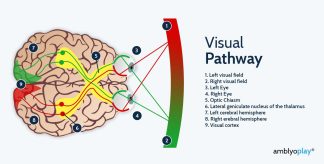
Binocular vision refers to your brain’s ability to merge the images from both eyes into one. Proper binocular vision gives you:
- Depth perception
- Visual stability
- Accurate focus
- Comfortable reading and tracking
When the eyes fail to align or coordinate, the brain can’t fuse the two images, leading to binocular vision dysfunction.
Binocular Vision Disorder
Binocular Vision Disorder (BVD) is a condition where your eyes don’t work together properly. It affects how your brain processes visual information. Even if your vision seems clear, you may still struggle to see comfortably.
This breakdown in eye coordination can lead to symptoms like:
- Double vision
- Dizziness
- Headaches
- Difficulty reading
- Eye strain
- Trouble concentrating
Because standard eye exams often focus only on clarity, not eye teaming, Binocular Vision Disorder (BVD) frequently goes undiagnosed. Let’s break down what causes it, how to spot it, and how to treat it.
What Causes BVD?
Many things can disrupt how the eyes work together. Here are common causes:
- Eye muscle imbalance
- Strabismus (eye turn)
- Convergence insufficiency (trouble turning eyes inward)
- Traumatic brain injury (TBI)
- Concussion
- Stroke
- Developmental delays
- Genetic factors
- Extended screen time
Even small misalignments can cause big symptoms. You don’t need a major eye turn to have BVD.
Binocular Vision Disorder Symptoms
Symptoms of BVD are diverse and often mistaken for other medical or psychological conditions, such as ADHD, migraines, or anxiety disorders. They include:
- Double vision (diplopia)
- Blurred vision, especially after reading
- Headaches and eye strain
- Dizziness or balance issues
- Difficulty with reading or concentration
- Motion sickness or nausea
- Anxiety in crowded visual environments (e.g., malls, busy streets)
According to a study published in Journal of AAPOS (2020), up to 60% of patients with persistent post-concussive symptoms also had undiagnosed binocular vision dysfunction.
What Causes Binocular Vision Dysfunction?
Binocular Vision Disorder may be congenital or acquired.
Congenital Binocular Vision Disorder
Congenital BVD is present from birth and often results from developmental issues with eye alignment or coordination. Conditions like strabismus, amblyopia (lazy eye), or poor development of binocular reflexes can cause long-term challenges if left untreated. Early detection and vision therapy can significantly improve visual outcomes in children.
Causes include:
- Strabismus (Eye Turn)
A misalignment of the eyes—one eye may turn inward (esotropia), outward (exotropia), upward, or downward. Strabismus disrupts normal binocular coordination and can prevent the brain from developing proper fusion between the eyes. - Amblyopia (Lazy Eye)
When one eye doesn’t develop normal vision due to poor alignment or unequal focus, the brain starts to ignore input from that eye. This disrupts binocular fusion and depth perception. - Genetic and Developmental Factors
Family history of eye alignment disorders increases risk. In some cases, congenital BVD is associated with developmental delays, cerebral palsy, or premature birth. - Refractive Errors in One Eye (Anisometropia)
Large differences in prescription between the two eyes cause unequal image sizes or clarity, which can disrupt binocular integration during early visual development. - Oculomotor Dysfunction
Poor control of the eye muscles from an early age can prevent smooth, coordinated eye movements. This limits the brain’s ability to merge two images into one.

Acquired Binocular Vision Disorder
Acquired BVD develops later in life due to injury, illness, or neurological changes. Common causes include concussions, traumatic brain injury (TBI), stroke, or neurological diseases such as multiple sclerosis. Acquired BVD often comes with symptoms like dizziness, double vision, and trouble focusing—especially after accidents or head trauma.
Causes include:
- Traumatic Brain Injury (TBI) and Concussions
Head injuries often disrupt the communication between the eyes and brain. The cranial nerves (III, IV, VI) that control eye movements can be affected, leading to misalignment or instability in eye coordination. - Stroke
A stroke can damage areas of the brain that manage eye coordination and visual processing. This often leads to double vision, eye movement disorders, and loss of depth perception. - Neurological Disorders
Diseases such as multiple sclerosis, Parkinson’s disease, or myasthenia gravis can affect nerve signaling to the eye muscles. This causes poor control over eye alignment and tracking. - Severe Eye Fatigue or Digital Eye Strain
Excessive screen time and poor visual ergonomics can lead to convergence insufficiency or vergence dysfunction in people who previously had stable binocular vision. - Ocular Trauma or Surgery
Eye injuries or surgical complications (e.g., after cataract or strabismus surgery) may result in new-onset eye misalignment or impaired binocular fusion.

How is Binocular Vision Disorder Diagnosed?
BVD is not usually found in a standard eye exam. You need a full binocular vision assessment. This includes:
- Eye alignment tests (like cover test or Maddox rod)
- Near point of convergence check
- Vergence testing (how well your eyes move together and apart)
- Stereopsis tests (depth perception)
- Eye tracking evaluation (saccades and pursuits)
- Balance and visual motion sensitivity
- Questionnaires on visual discomfort and symptoms
Some doctors also use eye tracking software or functional vision tests. These advanced tools find small problems that cause big symptoms.
Who is at Risk for BVD?
Anyone can develop Binocular Vision Disorder. But some people are at higher risk. This includes:
- People with a history of concussion or head injury
- Children with learning difficulties
- Adults who spend many hours on screens
- Patients with stroke or neurological conditions
- People with developmental delays
- Children with lazy eye or early strabismus
Even people with perfect 20/20 vision can have BVD. That’s why symptom awareness is key.
Treatment Options for Binocular Vision Disorder
The good news? BVD is treatable. With the right care, most people see big improvements. Treatments depend on the cause and severity. Here are the top options:
1. Vision Therapy
Vision therapy is like physical therapy for your eyes. It uses exercises to improve how your eyes move and focus. This can include:
- Eye teaming drills
- Convergence training
- Accommodation exercises
- Tracking and visual memory tasks
A major clinical trial (CITT-ART, 2019) showed that 12 weeks of vision therapy helped 73% of children with convergence insufficiency improve reading and reduce symptoms.

2. Prism Glasses
Prism lenses shift the image to help your eyes work together. They reduce double vision and visual stress. Some are temporary (stick-on), while others are ground into the lenses.
These are especially useful for:
- Vertical heterophoria
- Traumatic brain injury
- Persistent dizziness
3. Neuro-Optometric Rehabilitation
For patients with BVD from a brain injury, more advanced therapy is needed. Neuro-optometric rehab works on:
- Eye movement control
- Visual attention
- Sensory-motor integration
This therapy is often part of a multidisciplinary team with physical therapists and neurologists.
4. Surgery (for Severe Cases)
Some cases of BVD involve severe eye misalignment. If therapy and lenses don’t help, eye muscle surgery may be an option. It realigns the eyes for better binocular function.
Living With Binocular Vision Disorder
Without treatment, BVD can affect school, work, and everyday life. But with proper care, most people improve.
Children may struggle to read or concentrate. Adults may avoid driving or screen time. Many people feel misunderstood or misdiagnosed. That’s why early detection and custom treatment matter.
Studies show that treating BVD improves:
- Academic performance
- Confidence and behavior
- Headaches and dizziness
- Overall quality of life
Conclusion
Binocular Vision Disorder is common but often missed. Many people suffer silently, not knowing their symptoms have a visual cause. If you or someone you know has unexplained vision issues, headaches, or dizziness, get a full binocular vision evaluation.
Don’t settle for “your eyes look fine.” Trust your symptoms—and get the care you need.
Frequently Asked Questions
What is binocular vision disorder?
Binocular vision disorder (BVD) is a condition where the eyes don’t work together properly, leading to symptoms like double vision, headaches, dizziness, and difficulty reading or focusing.
What causes binocular vision disorder?
BVD can be congenital (from birth) or acquired (due to brain injury, stroke, or eye strain). Common causes include strabismus, lazy eye, concussion, or neurological disorders.
Can you have BVD with 20/20 vision?
Yes. You can have perfect clarity in each eye but still suffer from binocular vision dysfunction if the eyes don’t align or coordinate properly.
How is BVD diagnosed?
BVD is diagnosed through specialized testing such as cover tests, eye tracking, convergence assessments, and stereopsis (depth perception) evaluations. A regular eye exam may miss it.
Is binocular vision disorder treatable?
Yes. Treatments include vision therapy, prism glasses, and in some cases, surgery. Most people see significant improvement with the right care.