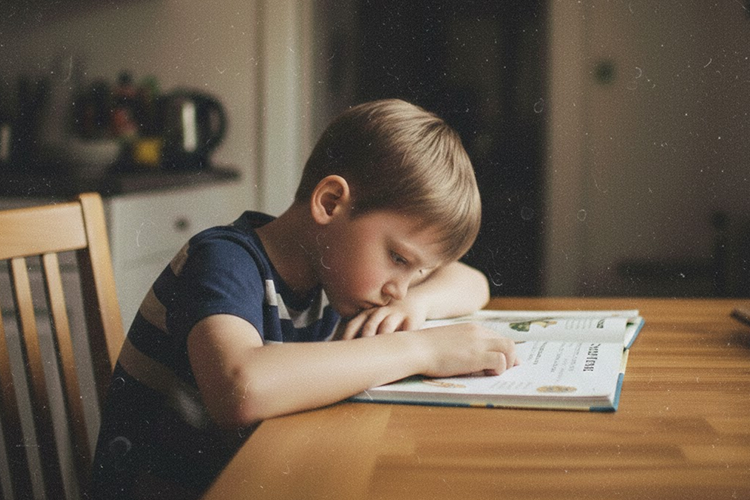
When my son started learning to read, something felt off almost immediately. He could recognize the letters, but reading was slow and exhausting. After just a few minutes, he would lose focus, complain that his eyes were tired, or ask to stop altogether.
At first, I assumed he simply wasn’t interested. Later, I wondered if he was having trouble concentrating. Eventually, I began to worry that maybe he didn’t truly understand what he was reading.
The eye exams showed everything was normal!
We took him for a vision check, expecting to finally get an answer. The results came back normal. His eyesight was fine, and he didn’t need glasses. According to the tests, there was nothing wrong.
But at home, the situation looked very different.
Whenever he read, he leaned extremely close to the book. He constantly shifted in his chair and struggled to keep his place on the page. Reading homework slowly turned into daily frustration.
Over time, I noticed something else as well.
He had difficulty standing steadily on one foot. He often lost balance while running or playing. During sports activities, he seemed less coordinated than other children his age.
At the time, I didn’t think these things were connected.

The moment that changed how I understood everything
During a follow-up visit, a specialist explained something I had never considered before.
He told me that my child’s eyes were working well, but the problem was not what the eyes could see. The issue was how the brain processed visual information.
Reading is not just about recognizing letters. It requires stable eye movements, coordination between both eyes, and constant communication between the visual and balance systems.
When this coordination is weak, reading becomes tiring very quickly — even if a child technically sees well.
That was the first time I understood why reading difficulties and balance problems had appeared together.
What worried me the most
The specialist also explained something else.
These difficulties often don’t disappear on their own.
Children learn to compensate. They try harder. They avoid reading. They guess words. They move constantly to help their body stay oriented.
From the outside, it can look like a motivation or attention issue.
Over time, this often affects confidence. Many children begin to believe that reading is something they are simply “bad at.”
And that belief can stay with them for years.
The mistake many parents make
Most parents wait – not because they don’t care, but because they are told everything looks fine.
I almost did the same.
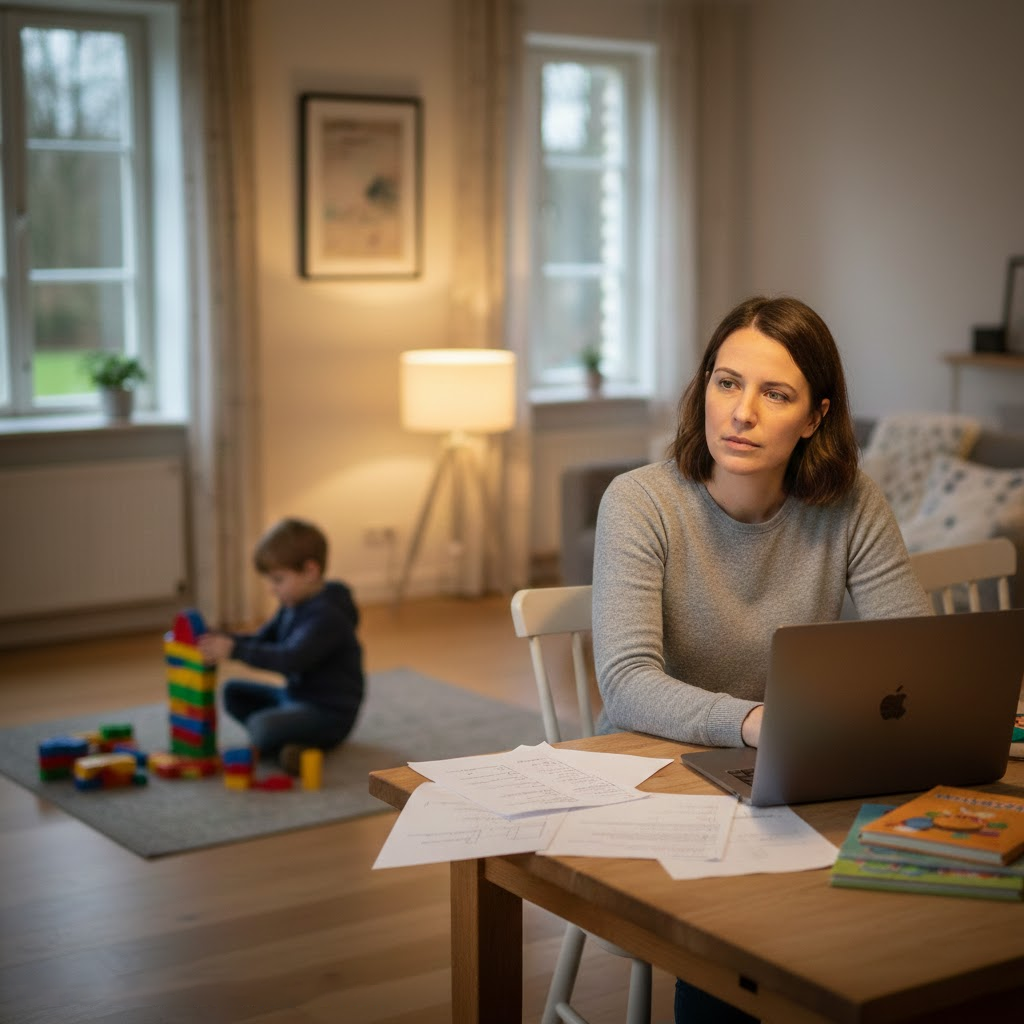
But waiting doesn’t mean nothing is happening. It simply means the child keeps working harder than necessary every single day.
If I had understood this earlier, I could have prevented months of frustration and self-doubt.
Would you like to understand this better?
If your child reads slowly, gets tired quickly, has normal eye exam results, yet avoids reading or struggles with balance, you may be facing the same underlying issue.
I can explain what is often happening beneath the surface and why it so easily goes unnoticed.
I’ll send the explanation by email.
No newsletters. No pressure.
Just the continuation of this story.