In this blog post, we’ll discuss what is a tunnel vision. Tunnel vision is a visual impairment that affects an individual’s ability to see objects or movement in their peripheral (side) vision.
This condition can have various causes, ranging from eye diseases to neurological issues. In this blog post, we will explore the concept of tunnel vision, explore its causes, examine its impact on daily life, and discuss coping strategies for individuals affected by this visual impairment.
Table of contents
What is a Tunnel Vision?
Tunnel vision refers to the loss of peripheral vision, causing individuals to see through a narrow field—like looking through a tube.
While central vision remains intact, the ability to perceive objects and events in the peripheral areas is significantly reduced or lost.
This condition can be a symptom of underlying eye conditions, such as glaucoma, retinitis pigmentosa, or other disorders affecting the optic nerve or retina.
Causes of Tunnel Vision
- Glaucoma: Glaucoma is a group of eye conditions that damage the optic nerve, leading to peripheral vision loss. Increased intraocular pressure is a common factor contributing to this condition.
- Retinitis Pigmentosa: This genetic disorder affects the retina’s ability to respond to light, resulting in a gradual loss of peripheral vision over time.
- Optic Nerve Disorders: Conditions affecting the optic nerve, such as optic neuritis or ischemic optic neuropathy, can lead to tunnel vision.
- Brain-related Causes: Neurological conditions, including strokes or tumors affecting the visual processing areas of the brain, can result in peripheral vision loss.
Glaucoma and Tunnel Vision
Glaucoma is a group of eye conditions that damage the optic nerve, typically due to elevated intraocular pressure.
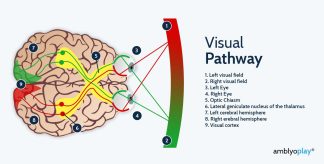
The optic nerve is crucial for transmitting visual information from the eye to the brain, allowing us to perceive the world around us.
Many people don’t recognise they have glaucoma until the disease has progressed and resulted in a peripheral field defect. Even if someone has good central vision, they might not be aware that they are missing objects in their side vision.

As glaucoma progresses, the peripheral vision is often the first to be affected, leading to a phenomenon known as tunnel vision. The capacity to employ “side vision” is brought on by tunnel vision, which restricts your field of vision to only what is directly ahead of you or in your central vision.
Glaucoma cannot be cured, and any loss brought on by the condition cannot be reversed. Nonetheless, if detected at an early stage, both conventional and laser surgery can stop the disease’s progression and stop future eyesight loss.
How Peripheral Vision Loss Impacts Daily Life?
Mobility Challenges
Individuals with tunnel vision may face difficulties navigating their surroundings, especially in crowded or unfamiliar environments.
Increased Risk of Accidents
Reduced peripheral vision heightens the risk of bumping into objects, tripping, or colliding with obstacles, increasing the likelihood of accidents.
Limitations in Driving
Tunnel vision may impact one’s ability to drive safely, as it diminishes the awareness of objects and events in the peripheral visual field.
Emotional and Psychological Effects
Coping with peripheral vision loss can lead to feelings of frustration, anxiety, and isolation. Adjusting to a different way of seeing the world may require emotional support.
What Does Tunnel Vision Look Like?
Tunnel vision narrows the visual field, limiting one’s ability to see objects outside a specific central focal point. Imagine looking through a narrow tunnel – details, colors, and peripheral vision are sacrificed, leaving only a constrained view of the immediate surroundings.

How is It Diagnosed? 8 Tests for Diagnosis
Eye care professionals employ various methods to recognize and diagnose tunnel vision. Here are some common approaches used in the diagnosis of tunnel vision:
- Visual Field Testing: Visual field tests are crucial for assessing peripheral vision. Perimetry is a common visual field test that measures the full horizontal and vertical range of a person’s vision. During the test, individuals respond to stimuli appearing in their peripheral vision. This helps identify any areas of visual field loss characteristic of tunnel vision.
- Automated Perimetry: Automated perimetry involves the use of specialized equipment, such as a perimeter or visual field analyzer, to map out an individual’s visual field. This test can detect specific patterns of visual field loss associated with conditions like glaucoma or retinitis pigmentosa.
- Confrontation Visual Field Testing: This simple bedside test involves the eye care professional sitting face-to-face with the patient and moving an object into their peripheral vision. The patient is then asked to indicate when they first see the object. This method provides a quick assessment of peripheral vision but is less precise than formal perimetry.
- Ophthalmoscopy: Ophthalmoscopy involves examining the inside of the eye, including the optic nerve and retina. An eye care professional uses a specialized instrument called an ophthalmoscope. Changes in the appearance of the optic nerve head or retina can provide clues about the underlying causes.
- Medical History and Symptoms Assessment: Gathering information about the patient’s medical history, including any existing eye conditions, symptoms, and the duration of visual changes, helps eye care professionals narrow down potential causes of tunnel vision.
- Neurological Examination: Since tunnel vision can be associated with neurological conditions, eye care professionals may perform a neurological examination to assess overall neurological function, including coordination, reflexes, and sensory perception.
- Imaging Studies: In cases where neurological issues are suspected, imaging studies such as magnetic resonance imaging (MRI) or computed tomography (CT) scans may be ordered to visualize the structures of the brain and rule out potential causes of tunnel vision related to the central nervous system.
- Electroretinography (ERG) and Electrooculography (EOG): These tests measure the electrical responses of the retina and eye muscles, respectively.
Tunnel Vision Treatment
Tunnel vision can worsen if left untreated. Find out what treatment options can help slow its progression!
Medications
If glaucoma is the cause of tunnel vision, medications aimed at reducing intraocular pressure may be prescribed. These medications can help slow down the progression of the disease and preserve the remaining vision.
Laser Therapy
Laser trabeculoplasty is a common procedure used to treat glaucoma. During this outpatient procedure, a laser is used to improve the drainage of fluid from the eye by treating the trabecular meshwork. By enhancing fluid outflow, intraocular pressure can be reduced, potentially slowing the progression of glaucoma and preserving peripheral vision.
Surgery
In cases where medication alone is insufficient, surgical interventions such as laser therapy or traditional surgery may be recommended to improve drainage and reduce intraocular pressure.
Coping Strategies for Tunnel Vision
- Orientation and Mobility Training: Learning techniques for navigating and orienting oneself in various environments can enhance independence and safety.
- Assistive Devices: Using visual aids, such as bioptic telescopes or electronic magnifiers, can help individuals with tunnel vision in daily activities.
- Accessibility Modifications: Making adjustments to living spaces, such as installing proper lighting and minimizing obstacles, can improve safety and ease of movement.
- Emotional Support: Seeking support from friends, family, or mental health professionals can assist individuals in coping with the emotional challenges associated with tunnel vision.
Conclusion
Tunnel vision, or peripheral vision loss, poses unique challenges for those affected. Understanding the causes, acknowledging the impact on daily life, and exploring coping strategies are essential steps in adapting to this visual impairment.
Living with glaucoma and tunnel vision is undoubtedly a journey filled with challenges. However, it is crucial to emphasize that it is a journey that can be navigated with resilience, support, and early intervention.
Frequently Asked Questions
What is tunnel vision, and how does it differ from peripheral vision loss?
Tunnel vision refers to a visual impairment where individuals experience a narrowing of their field of vision, often likened to looking through a tunnel or tube. This phenomenon is associated with the loss of peripheral vision while maintaining central vision.
How do eye care professionals diagnose tunnel vision, and what are the key assessments involved?
Eye care professionals use various methods to diagnose tunnel vision, with visual field testing being a primary tool. Perimetry, automated perimetry, and confrontation visual field testing help map out the extent of peripheral vision loss.