Lazy eye or amblyopia is a common vision disorder. Unfortunately, misconceptions surrounding lazy eye and its treatment often lead to confusion and delayed intervention. At AmblyoPlay, we believe that education is key to proper treatment, so we’re here to bust the most common amblyopia myths. We’ll provider clear, fact-based information for parents and individuals going through this condition.
Table of contents
- Myth 1: Lazy eye affects only one eye.
- Myth 2: Patching alone can cure amblyopia.
- Myth 3: Amblyopia only affects children.
- Myth 4: Glasses alone always fix amblyopia.
- Myth 5: Vision therapy is ineffective.
- Myth 6: If amblyopia isn’t treated by age 7, it’s too late.
- Myth 7: Once treatment ends, the results are permanent
- Myth 8: Amblyopia does not affect daily life.
- Myth 9: Vision problems like amblyopia will correct themselves over time.
- Myth 10: Surgery is the only solution for amblyopia.
- Why Vision Therapy is Essential for Treating Amblyopia
- Final Thoughts: Busting Amblyopia Myths for Better Treatment
- Frequently Asked Questions About Amblyopia Myths
Myth 1: Lazy eye affects only one eye.
Fact: While amblyopia typically impacts one eye more than the other, it can affect both eyes in some cases. Known as bilateral amblyopia, this occurs when both eyes have significantly reduced vision due to conditions like extreme refractive errors or cataracts. Even when amblyopia primarily affects one eye, it’s important to treat the condition to ensure the brain starts using both eyes together.
Myth 2: Patching alone can cure amblyopia.
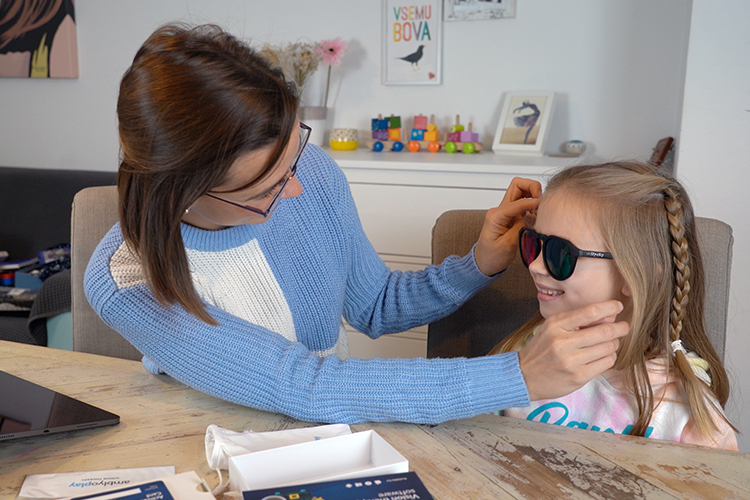
Fact: Patching the stronger eye to force the weaker eye to work harder is a traditional treatment, but it’s often not enough on its own. While patching helps improve vision, it doesn’t train the brain to use both eyes together. Vision therapies that rely on binocular approach (red and green glasses) are essential for improving binocular vision and depth perception alongside patching.
Myth 3: Amblyopia only affects children.
Fact: While amblyopia typically develops in childhood, it can affect adults as well. Many believe that if the condition isn’t corrected by a certain age, it’s untreatable. This is false. Due to the brain’s neuroplasticity, adults can still benefit from vision therapy and improve their visual function, even if they’ve had amblyopia for years.
Myth 4: Glasses alone always fix amblyopia.
Fact: There are cases when glasses alone fix amblyopia. However, while corrective lenses can help improve vision clarity, they don’t treat amblyopia on their own. Amblyopia occurs when the brain doesn’t properly process the visual input from one eye, and glasses alone can’t retrain the brain. Vision therapy, often combined with corrective lenses, is necessary to address the underlying issue.
Myth 5: Vision therapy is ineffective.
Vision therapy has been proven effective for treating amblyopia and other vision problems. Studies show that consistent vision therapy, particularly when paired with tools like AmblyoPlay, helps improve visual processing and binocular vision. It requires dedication and time, but the results speak for themselves.
Myth 6: If amblyopia isn’t treated by age 7, it’s too late.
Fact: It is a common belief that after the age of 7, treatment for amblyopia won’t be effective. However, this is another misconception. Though early intervention is ideal, adults and older children can still benefit from treatments like vision therapy. Neuroplasticity allows the brain to change and adapt, even in adulthood, meaning amblyopia can still be improved at later stages of life.
Myth 7: Once treatment ends, the results are permanent
Fact: Vision therapy can produce excellent results, but maintenance is key. Like physical therapy for a muscle injury, if the exercises aren’t consistently practiced, regression can occur. Continuing with recommended eye exercises or occasional therapy sessions helps maintain the improvements gained during treatment.
Myth 8: Amblyopia does not affect daily life.
Fact: Amblyopia can have a significant impact on daily activities, especially those requiring depth perception, like driving, sports, or even simple tasks like pouring a drink. Individuals with untreated amblyopia may have trouble with eye-hand coordination. Treating amblyopia helps improve not only vision but also everyday functioning.
Myth 9: Vision problems like amblyopia will correct themselves over time.
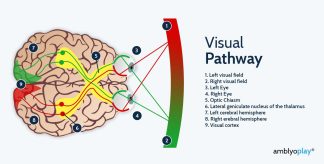
Fact: Amblyopia will not resolve on its own without treatment. In fact, if left untreated, the condition can worsen over time. The brain continues to rely on the stronger eye, while the weaker eye becomes even less functional. Delaying treatment may reduce the chances of achieving full visual recovery.

Myth 10: Surgery is the only solution for amblyopia.
Fact: Surgery is not typically the first treatment for amblyopia, nor is it often necessary. Most cases can be treated effectively through non-invasive methods like vision therapy, corrective lenses, and patching. Surgery may be an option for related issues like strabismus (eye misalignment), but vision therapy remains the most effective method for treating the core brain-eye connection problem in amblyopia.

Why Vision Therapy is Essential for Treating Amblyopia
Vision therapy is a key component of treating amblyopia because it focuses on training the brain to improve how it processes visual information.
AmblyoPlay, for example, uses fun and interactive exercises to help retrain the brain to use both eyes together, improving binocular vision and overall eye coordination. These exercises are personalized to the user’s specific needs, providing an effective and engaging way to treat amblyopia.
Final Thoughts: Busting Amblyopia Myths for Better Treatment
It’s important to address these common amblyopia myths because they can understand the full range of available solutions. Vision therapy can be a game-changer for those suffering from amblyopia, whether they’re children or adults. Early intervention is always best, but it’s never too late to take steps toward improved vision.
Frequently Asked Questions About Amblyopia Myths
Can adults still benefit from amblyopia treatment?
Yes, adults can absolutely benefit from amblyopia treatment. While early intervention is ideal, the brain’s neuroplasticity allows for improvements in visual processing even in adulthood. Vision therapy, such as the exercises provided by AmblyoPlay, can help adults with amblyopia improve their binocular vision and depth perception.
Is vision therapy a permanent solution for amblyopia?
Vision therapy can produce long-lasting results, but maintenance is important to ensure these improvements are sustained. Like physical therapy for a muscle injury, periodic exercises may be required to maintain the brain-eye coordination gained during treatment. Regular follow-ups or exercises can help prevent any regression.
Can amblyopia be treated without eye patching?
Yes, amblyopia can be treated without patching in some cases. Vision therapy alone can be an effective treatment, especially when exercises are designed to improve the brain’s use of both eyes together.